
Dear Dr. Rassman:
If someone has their donor scar from ear to ear but only one side (left, let’s say) is very tight, probably due to a thicker strip being taken from that side. If that person is considering one additional strip procedure with the best close possible, is it best for the entire previous strip to be excised, including the already very tight side? If so, can the excision on the tight side be very thin while being substantially wider on the less tight side?
Alternatively, can only part of the previous donor scar (on the right side in this case) be excised, such as the final 1/3 of the strip on the right side? What would be most desirable option and what would be an appropriate time to wait before doing the second procedure? The patient in the case intends to have the second strip procedure be the last one, using only FUE or FUE squared after that as needed if additional hair loss/thinning occurs with aging and needs to be taken care of.
Thank you in advance for your advice.
Best regards

If the excision area is at least 6 months old, the laxity can be assessed. If the excision area is less than 6 months old, the laxity of the excision area will change the further in time you are away from the strip harvest. I never make an assessment of the donor area until at least 6 months have passed. As most second procedures are usually more than 8 months following the first one, this has rarely been a problem.
A second strip procedure puts a good burden on the surgeon to make judgments. If there is a large demand for more hair grafts at the second procedure, the degree of tightness will dictate what can be removed. I generally remove any scar along with hair if there is enough laxity and the width of the strip may vary depending upon the tightness of the scalp. Sometimes one side is tighter than the other so the strip width will be narrower on the tighter side.
The laxity issue seems to also vary with the individual. Most people will find that their scalp will return to its original laxity, but a small number of people will find that the scalp will become tighter with each successive procedure. In this later situation, the amount of scalp that can be removed will decrease with time. As the density also drops with each successive strip harvest, the combination does not bode well when both a tight scalp and a reduced donor density occurs in the same patient as measured 8 months following the first procedure. For those people with tight scalps, the FUE approach may be preferable to another strip harvest.
 There is no connection between skull shape or changing skull shape, and hair loss. Hair loss is genetic and not influenced by the underlying bony skull. I’ve seen all kinds of head shapes over the years, but an obvious change in skull shape in the adult years is not something I’m familiar with.
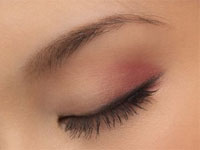 If on target for the eyebrow hair you are treating, electrolysis can be effective in just one treatment. In other words, eyebrow hairs often do not regrow after having been killed off with electrolysis.
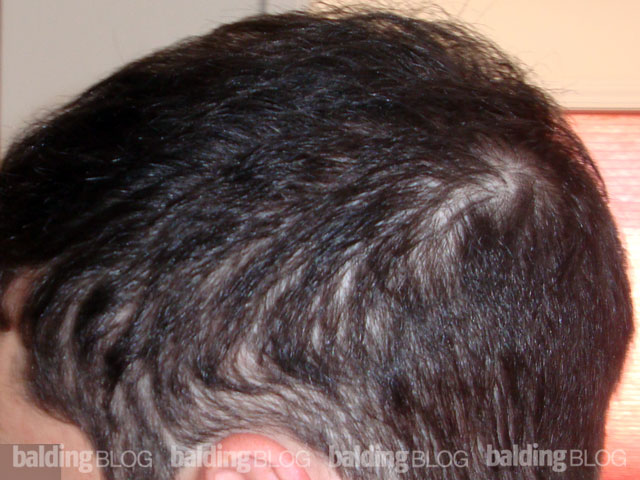
 I do not believe that there is a maturing hairline for women, but some form of reshaping of the hairline may be seen.
 Cyberhair was developed by Aderans, a large maker of wigs and owner of hair transplant chains Bosley and Medical Hair Restoration (which has recently merged under the Bosley name). It’s just a type of synthetic hair fiber that is braided to your existing hair, a technique that has been around for many years.
 A pea-sized, slightly raised bald spot where 10 to 15 hairs are sprouting? I have no clue what it could be. If your physician has retired, I’d seek out another physician for an exam. Perhaps a dermatologist would be your best bet. Based on your description though, it does not sound like male pattern balding.
 Read the full story at IrishTimes.com —