
Hi Doctor,
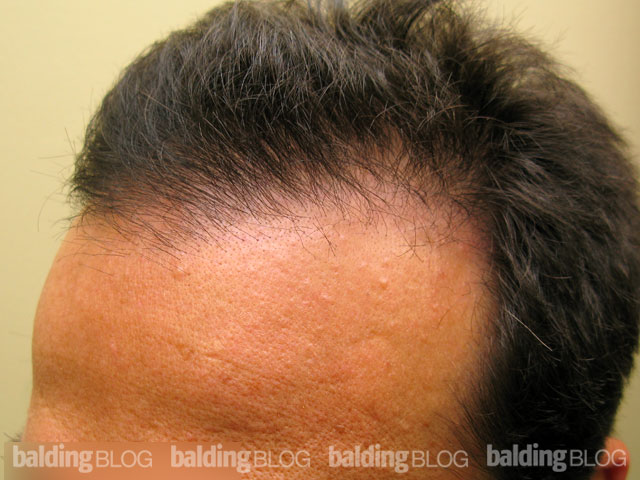
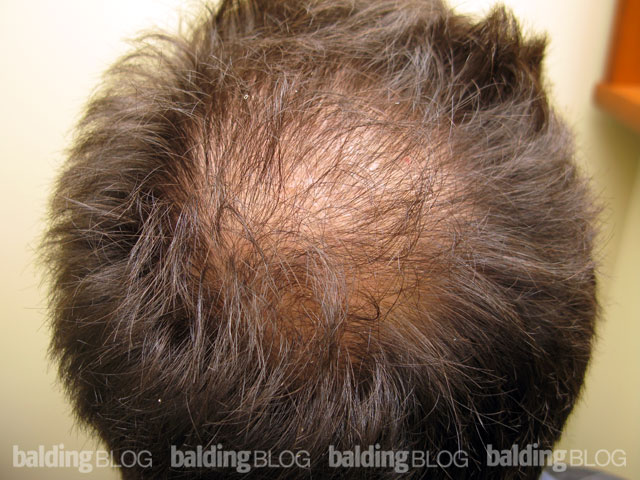
At age 23, I started taking Propecia. I soon switched to Finpecia made by Cipla to save on costs. For three years things were great. I regrew hair on my crown, no more small baldspot and no noticable hair falling out whatsoever. It was everything I hoped for.
This January, after aproximately 3 years on Finpecia, I noticed my hair thinning out and everyday I see that I am losing hairs. I still have decent coverage on the crown but my hairline is receeding and it’s definitely thinner coverage all over.
I’ve been taking some supplements such as saw palmetto and been using 2% Nizoral. I’m wondering if adding Rogaine Foam may be to some benefit.
Also wondering, if in your experience, you think I should get back on the name brand propecia. I’ve been getting the Finpecia from a reliable online pharmacy that requires a prescription and is “certified”, but I wonder if the quality of drug is different.
Thanks for your help and I appreciate this blog.

 For those readers not familiar, Finpecia is a generic Propecia (1mg finasteride) made in India by Cipla — the generic 1mg isn’t available legally in the US yet due to patent laws. And just like Propecia, it does not continuously work for everyone. Many men on finasteride will see results for 5-10 years (or beyond), but each case is different. You need to see your prescribing doctor about the reduced impact of this drug. I think you should still stay on the medication, because if you stop it you will likely lose a great deal of hair.
Cipla is a huge pharmaceutical company and I doubt there’s a difference between the generic and the name brand finasteride.
As for adding Rogaine Foam, I suppose it’s worth a shot. You might see some benefit, but I can’t say for sure.
 Clobex (clobetasol propionate) is used to treat psoriasis. Luxiq foam (betamethasone) is a corticosteroid and also used in the treatment of psoriasis. I don’t know why you’d be prescribed these with the goal of growing your hair faster.
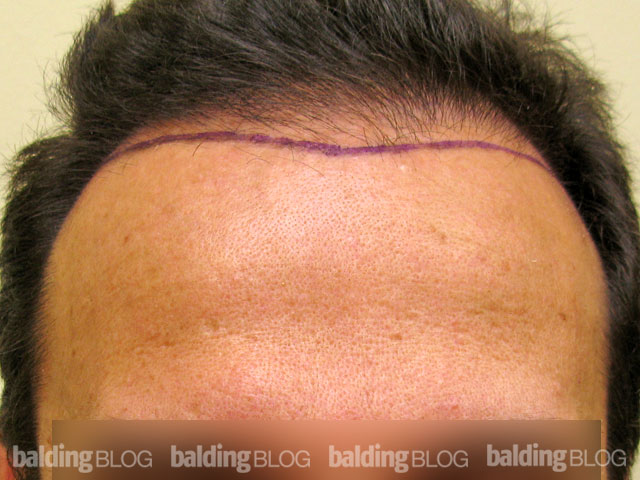
 As long as you and your doctor have realistic goals in mind, and you have the donor hair available to do it, anytime would be a viable time if you are serious about a hair transplant.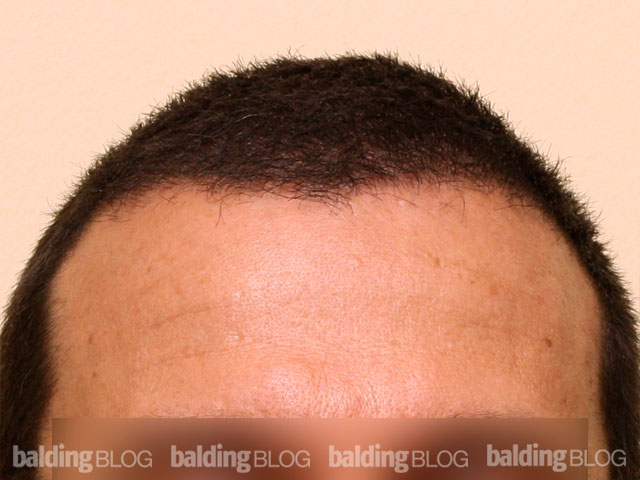
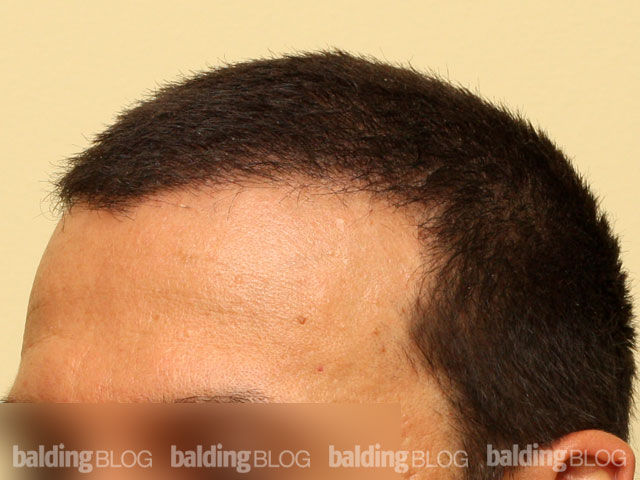
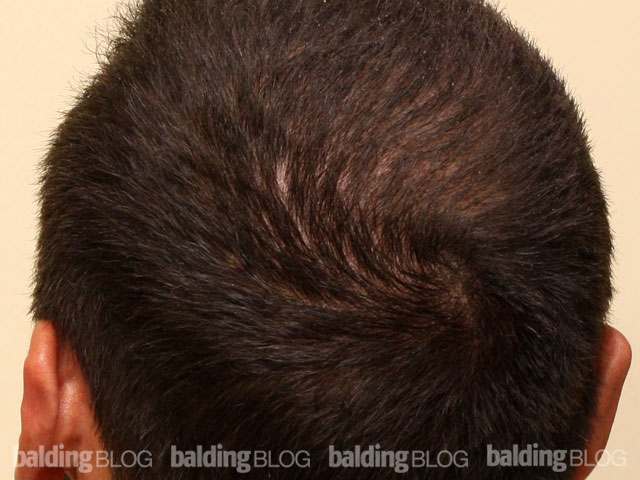
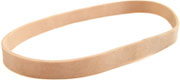 You were not doing yourself justice with making tight rubber bands pull on your scalp. This can cause traction alopecia. In your case though, I can’t tell you what is going on with your scalp without seeing you directly.
 Hello Dr. Rassman! I am very grateful for the information that you provide for all of us trying to find legitimate ways to mitigate hair loss and for answering my questions in the past.
 Platelet-rich plasma (PRP) is used by some surgeons to speed up wound healing, and some hair transplant clinics have been advertising this as a way to speed up the healing along with promoting early growth. One of my patients is a dentist and he said he uses PRP regularly for his oral surgery patients.
 Chemicals (like relaxers) can cause damage, but many black women will also see traction alopecia, which is permanent hair loss caused by the pulling of tight braids, many times from when they were very young. For women, the only FDA approved hair loss treatment is Rogaine (minoxidil). Hormone replacement likely won’t regrow your hair and I’m not sure which injections your doctor is recommending.
 While I can’t positively say what is causing your hair loss, my educated assumption would be that this is your genetics…. not iron levels in the water. It’s not uncommon for one side of the hairline to recede before the other, and while stress from travel might contribute to acceleration of the loss, I’d expect this is simply your genetics at play.