
Snippet from the article:
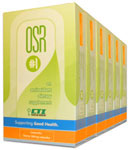
A product promoted to parents of children with autism is not a harmless dietary supplement, as claimed, but a toxic unapproved drug that lacks adequate warnings about potential side effects, including hair loss and abnormalities of the pancreas, the U.S. Food and Drug Administration has warned in a letter to its maker.
The FDA’s June 17 letter to Boyd Haley, a retired Kentucky chemist and hero to the autism recovery movement, details five violations of the Federal Food, Drug and Cosmetic Act related to his product, OSR#1. Failing to correct such violations can result in fines, seizure of products and even criminal prosecution.
The Tribune in January reported that the compound, sold as OSR#1, had been developed to treat mining wastewater, and that it had not undergone rigorous testing to ensure it is safe and effective. The report was part of an investigation into unproven autism therapies offered by health providers who say they can reverse the disorder.

 Read the full article at the Chicago Tribune — FDA warns maker of product used as alternative autism treatment
Wastewater treatment turned unproven autism therapy? Wow. Just wow.
When the Tribune first broke the story about this industrial chemical (sold as OSR#1) being fed to autistic children, the maker of this “supplement” stated that it was tested on 10 people before being sold to the public, yet provided no proof of even that much. You can find that earlier report here.
 A little information can be dangerous. In this case, you are somewhat correct that cholesterol is related to DHT as a precursor step in the process; however, lowering cholesterol does not and will not lower DHT. Our bodies are not that simplistic and your body generally controls the DHT levels.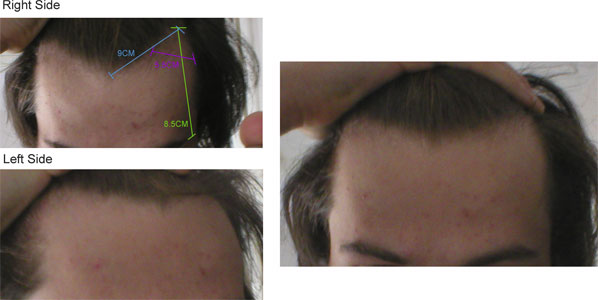
 I do not know of a diet that would lower DHT. I’ve read many theories and ideas about stopping hair loss just by changing your diet, but I’ve yet to see or read about anything that truly works. If it was as simple as eating more broccoli or root vegetables (as some theories suggest), there would be far less balding people in the world.