
Dear Dr.,
Thanks always for devoting your time to the public with this forum. I notice you’ve been getting swamped with questions about a cloning cure (i.e. a class 7 bald person having a teen-age head of hair again), and people don’t seem to want to accept such a thing is so many years away. I was wondering if it’s more realistic to speculate: for those of us in our early 30’s who’ve preserved most of our hair and reversed some thinning with Propecia, is it reasonable to think a better pharmaceutical for holding on to what we’ve got will come out at some point this decade?
Thank you

There are drugs in the pipeline for hair loss, but the real question is which, if any, will make it through the investigative and FDA process. It must be proven to be safe and effective at doing what the manufacturer will claim. So I suppose it is reasonable to assume (or at least hope) something will come out eventually, but I couldn’t begin to guess at how much better it will be than what is available now. Keep your fingers crossed.
 I do think the
  A trade, in these recessionary times, is difficult. The recession has impacted all forms of cosmetic surgery and hair transplantation is no different. I suppose it is worth a shot if you want to try contacting various clinics, but I wouldn’t expect trading design services for cosmetic surgery to be a tantalizing offer amongst surgeons. It wouldn’t hurt to ask, though.
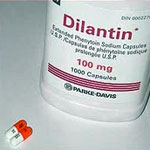 If the hair loss is from a medication (rare), it can happen in both men and women. In rare cases, Dilantin (phenytoin) is even known to cause body hair growth.
 I believe that for some people, the use of both Propecia and minoxidil has value when used in combination, but that may depend upon a variety of factors including age, appropriate use of the medication, where the minoxidil is applied, and where on the head the balding is that you are treating. The crown generally does better with combined treatment compared to the frontal hairline. I have seen patients using both medications with good results after a decade of use.