
Dear Doctor. I have been reading on pubmed that IGF-1 has a strong influence on hair and follicular health and growth. I have read that research indicates IGF-1 stimulation has increased hair count and hair weight. Capsacin, applied topically in 0.01 percent concentration for 5 months, increased hair counts in over 60% of the participants. This information is as of 2008, so it is current. What are your thoughts on this subject and do you think the combination of 5% minoxidil and 0.01% capsacin would be of benefit? Thanks!
 When I eat hot chili peppers they make my mouth burn, which is caused by the capsaicin in the pepper. Yet rubbing chili peppers on one’s head won’t stop testosterone from converting to DHT (and the DHT is what causes genetic hair loss in men). I would think it might make their hair fall out rather than regrow it, but I really do not have enough knowledge about this. If you send me the reference, it might help me research the quality of the study better.


Paid advertisements (not an endorsement):

 MTV’s documentary series, “True Life,” is casting young people who are losing their hair.
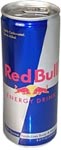 This topic comes up every year or so. Depending on the flavor of the month tea/coffee/caffeine is both good and bad. Some studies say that excessive caffeine is bad, some home remedies include direct application of coffee or tea on the scalp. There’s even caffeine shampoo now. I don’t have a definitive answer to your question. To my knowledge, no peer-reviewed, published studies have been done that prove hair is effected by caffeine negatively. Consider this — caffeine is one of the most widely consumed substances in the world and the most common cause of hair loss is genetics (with or without coffee, tea, energy drinks, sodas, etc). Minor stresses shouldn’t cause hair loss, and certainly caffeine wouldn’t raise stress levels (unless you’re really overdoing it) to the point that you’d experience loss. Live your life in moderation.
 The medication you know as Lustral (sertraline) is also commonly known as Zoloft. And as you may know, many antidepressants (including Zoloft) can cause temporary hair loss, possibly even permanent loss in those genetically inclined to lose hair. I can’t say for sure whether the stop/start method you’re using with the medication will always continue the same hair loss/regrowth you’re seeing.