Dr Rassman,
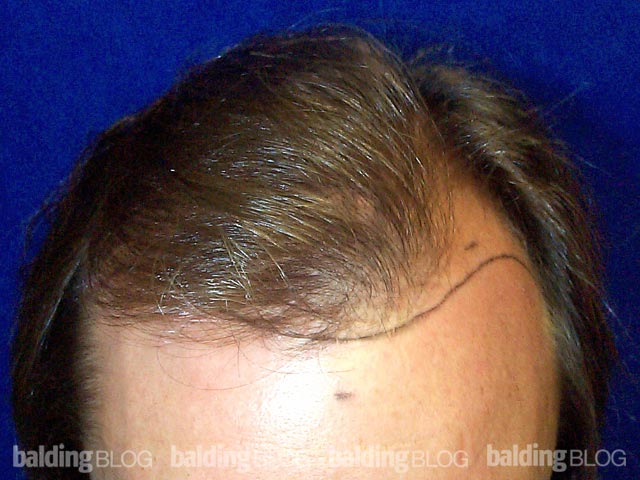
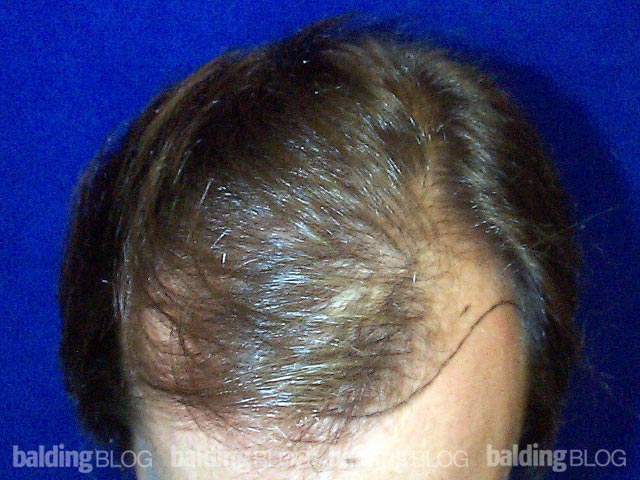
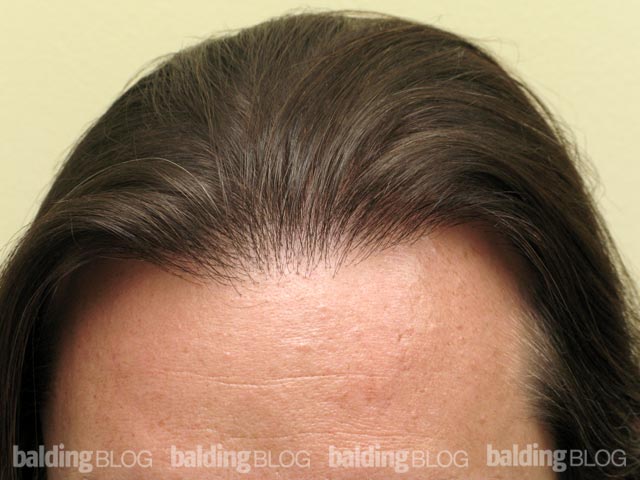
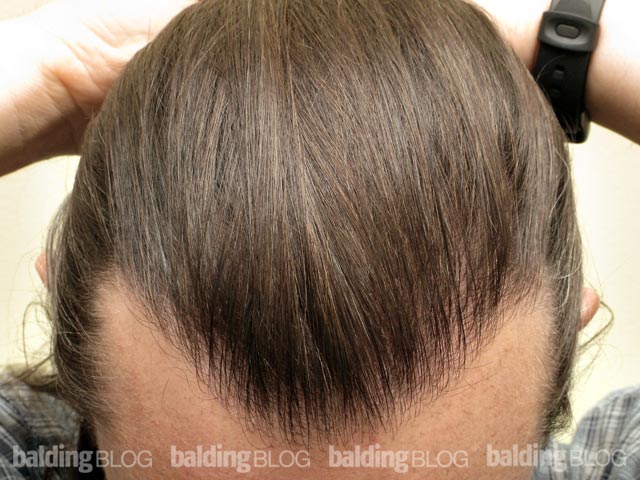
I often hear that Seborrheic Dermatitis does NOT cause permanent hair loss, and that any loss is temporary and usually regrows. However, I have been suffering from persistent recurrent SD now for 8 years, and a thick head of naturally curly hair has all but vanished. Indeed I now suffer from very diffuse hair loss.
My Doctor prescribes me Cocois Ointment but I find that when you rub it on the area of SD, then wash it off, that the hair previously present in that area becomes noticeably thinner. This has been the pattern for 8 years. repeating over and over like a vicious cycle until hair loss is severe.
You are providing a fantastic service via your site across the world, and I would be extremely grateful for your views and advice. Thank You.
Seborrheic dermatitis (SD) does not cause hair loss unless you scratch it. Sometimes the treatment may impact the hair. Cocois Coconut Oil Compound contains contains coal tar, salicylic acid, and precipitated sulphur. These types of treatments are usually used for advanced SD and psoriasis, but they are not as effective as steroids when they are judiciously applied under the care of a physician. You did report loss of hair or thinning of the hair from Cocois ointment, so maybe it’s time to review this treatment with your doctor.


Paid advertisements (not an endorsement):

 Your case is complex. I have no idea what densities you have or the extent of your scar and wound defect. Most people who’ve had 7 scalp reductions are left with a slot deformity. I would like to see some good pictures of your scalp from the front, top, sides, and back. I am sure that you know that scalp reduction is no longer the standard of care today, because they do not work. I have seen men who had up to 16 scalp reduction surgeries and the last ones never really accomplished anything. I wonder about your 7th procedure and what you were trying to accomplish that the prior 6 have not.
  If you are worried about hormones in your milk, you can start with organic food stores and inquire about where they get their milk. I believe you are the same reader that sent me the earlier posted email about how steroids in milk (when used) get broken down by the acid in the stomach so it does not get absorbed into the body (see