
Hair Loss InformationI Started Losing Hair When I Started To Diet (Revisited) – Hair Loss Information – Balding Blog

My daughter and I went on a diet together. Within the first 3 months, I lost 40 lbs and she lost 30 Lbs. We went off our diets for the summer. Enjoyed the sun and baseball games, but both got minor sun burns on our heads as our hair was thinner. By July we noticed too much hair coming out in our brushes. Our heads were itchy and dry and it is now October and our hair continues to come out too fast. In the shower and on our combs and brushes we get balls of hair. We had blood work done, we are fine. We are going to see a dermatologist but they are booked up until the spring. By that time, we could be bald. We were using Pantene shampoo, and recently we are trying Infusium shampoo. I am 42 and she is 15. My husband and 12 year old son are fine. They also aren’t itchy and dry and my son who was overweight, also went on a less restrictive diet. We tried extra virgin olive oil more in our diet. We are taking salmon oil pills. We rubbed aloe vera on our heads and wash our hair every two days. I dont know what else to do. What could this be and what can we do, why are our heads dry and itchy and what can we use. We don;t have dandruff or any other problems. Anything you can tell me would be really appreciated. Thank You.

Block Quote

Diet can cause hair loss and if you lost too much weight too fast (this is what is sounds like). Extremes and stress on your body could be a cause of your hair loss. Caloric restriction in conjunction with a balanced diet is the way to lose weight and not lose your hair (assuming that you have this connection). Some women have a genetic propensity to hair loss with stress of any kind. Considering that your daughter followed your course, I would suspect that the hair loss factors connects with genetic factors. Has your mother, aunt, sister have a propensity for hair loss like you? Without examining you in detail, I can not offer you other advice here but one modality we have to address thinning hair is Scalp MicroPigmentation (SMP). See HERE.
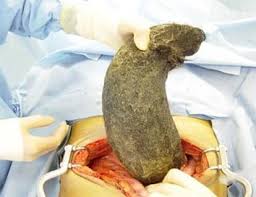
Hair Loss Informationgo 9 Pound Hair Ball Removed From Teens’ Stomach – With Photos – Hair Loss Information – Balding Blog

Taken from Huffington Post:

hairball

Eating hair is common in animals in their grooming process and they normally create Hair Balls which are either vomited up (those of you with cats see this all of the time) or they pass through the intestine and come out through defecation, Eating hair is part of a neurosis found in some people who will have the same problem as in other mammals. It is interesting to note that it does happen with humans.

Hair Transplant Review with Dr. Rassman At New Hair Institute: A Man Who Wanted His Hair Line Higher – Hair Loss Information – Balding Blog

This patient received 1287 grafts in 2008. At the time of his surgery, he and I discussed the location of the leading edge of his hairline. He loved my hairline (Dr. Rassman) and he wanted it exactly as my hairline appeared. I suggested as I was in my 60s, he might want to lower the corners a bit, but he wanted to remain conservative so my hairline was what he got. Just yesterday 10/29/14, he came in asking to lower the corners of his hairline and we both laughed. It would have been nice to have it all done in one session in 2008, but tastes and desires changed. So we scheduled him for another 1200 grafts to move his hairline a bit lower.

New Hair Institute Hair Transplant Norwood 3

New Hair Institute Hair Transplant Norwood 3

New Hair Institute Hair Transplant Norwood 3

New Hair Institute Hair Transplant Norwood 3

New Hair Institute Hair Transplant Norwood 3

Hair Loss InformationI Quit Finasteride Due to Side Effects – Should Minoxidil Be Next? – Hair Loss Information – Balding Blog

I just recently quit taking finasteride due to experiencing some sexual side effects that did not decrease when trying a smaller dose. My doctor advised me to stop finasteride for six months to see if my sexual symptoms improved. I took my last pill a month ago.

I was on finasteride from age 24 to 27, and, while not improving my hair loss, it at least kept further loss from occurring. I’m starting to feel anxious about the catch-up hair loss that could come within the next few months. Would minoxidil help prevent this catch-up loss from occurring, or is it more or less inevitable?

Block Quote

Finasteride (Propecia) and minoxidil (Rogaine) works in different ways. Rogaine will not necessarily stop catch up hair loss that sometimes occurs after stopping Propecia.

There is no cure for genetic hair loss in men (Male Pattern Balding). These medications (and even surgery) help address the balding. Medications can postpone the hair loss to varying degrees in individuals and each individual has different results and experiences with Propecia / Rogain / and any medication for that matter.

Selegiline and Moclobemide and Hair Loss – Hair Loss Information – Balding Blog

Dear Doctor, I am a 41 y.o. male and suffer from androgenic alopecia, which I am currently treating (with poor results) with Finasteride 1.5 per day and minoxidil. Unfortunately, I also suffer from social anxiety and my doctor prescribed me selegiline 10 mg per day(Jumex). I have not taken this drug as I am afraid of the side effect on hair loss. Before I was on moclobemide 450mg, which I stopped due to mediocre results and concern of hair loss (which I thought got worse due to Moclobemide). I would kindly ask you:
1) Selegiline can worsen my hair loss? How likely is this to happen. Is it a rare occurrence or a common one?
2) How long after stop taking Moclobemide can I assume that that drug is not making my hair loss worse? Thank you for the great information you provide.

Block Quote

Selegiline and Moclobemide are medications to treat depression and anxiety. I do not have experience in the type of medications that you are using so I really cannot say much about its effect on hair.

You must understand the “big picture”. Male pattern hair loss (MPB) is genetic. Medications such as Propecia (finasteride) can help slow down the hair loss. It sometimes improves and regrows hair. But over the long term you will continue to lose hair. Genetics always win out. The side effects from medications is not really an issue as much as it is a genetic problem. Many people try to make sense of their hair loss issue by correlating it with their diet, drugs, or other non specific factors but they do not understand that the root cause of the hair loss is mainly the genetic fate that they were born with. At this point, there is no cure for hair loss.

Hair Loss InformationNot Hair Loss News – Is There A Fountain Of Youth, Possibly A Drug To Prolong Life – Hair Loss Information – Balding Blog

We are moving in the general direction of prolonging life. Drugs to slow down aging are coming and some are even here now. The basic problem with extending life may reflect the quality of the life that is extended. If we add 10 years to a person’s life, will it be worthwhile? Will we just be filling the nursing homes with more debilitated, mentally impaired people?

In the recent issue of New Scientist (October 4, 2014 called Elixer of youth? It’s already here) and good overview of what is going on in the field of the ‘Elixer of Youth’ is examined. Google believes in this future and has invested in a company called Calico, an R&D firm targeting the life span issue. Even drug companies like Novartis have now entered the field with research of “geroprotetors” (longevity drugs). Many doctors who are in the anti-aging field are taking the drugs themselves even through they are deemed experimental at this time.

Adding up to 10 years on to your life may not be so distant into the future as you might think. Drugs such as a baby aspirin daily and a statin, is believed to reduce your risk of stroke, heart disease and even dementia. The evidence is clear on the use of baby aspirin but controversial for the value of statins. Some of the most promising drugs for future use were developedin organ transplants to reduce organ rejection such as the compound rapamycin. This drug has been found to extend life in yeast, worms and mice. A drug called everolimus can reverse the deterioration of the immune system that occurs with age. “Immune system aging is a major cause of disease and death.” These drugs seem to have the same effects on humans as seen in mice but the clinical evidence is wanting. The common drug metformin, used to treat diabetes, seems to have anti-aging effects when used on non-diabetes, but has side effects in producing diabetes in people taking it. Early evidence suggest that 15% of non-diabetics taking metforman were less likely to die than other not on the drug.

In other publications, Scientists have shown a link between long-living calorie-restricted mice and the types of microbes residing in the guts of those mice. The finding, published last month (July 16, 2013) in Nature Communications, suggests a novel mechanism of living longer by establishing the right kind of microbes in our gut through a low-calorie diet. We are learning more and more that we house colonies of gut bacteria that impact us in ways we never imagined.

“[The study] underlined the effectiveness of the healthy modulation of the gut microbiota along with diet specificities,” Jean-Paul Vernoux, a professor of food toxicology at the University of Caen in France who was not involved with the study, said in an email to The Scientist.

Caloric restriction has been known to extend life span in a variety of organisms, including humans, though the molecular mechanisms of this effect are not known. Recent research has begun to outline the role of the apparently innocuous microbes of the gut in modulating metabolism and immunity of their host. Based on these findings, Liping Zhao of Shanghai Jiao Tong University and his colleagues wondered if caloric restriction may prolong life span by modulating the type and composition of gut microbes.[/bq]

Read the rest — Eat Less and Live Longer?

Mice on a low-cal diet live longer. How does that translate to humans? We’ll see.

Hair Loss InformationDid My Testosterone Injections Cause My Transplanted Hair to Fall Out? (Revisited) – Hair Loss Information – Balding Blog

Doctor,

I had a hair transplant in July 2009. The physician completely re-constructed my anterior hairline. There was no hair growing there before he transplanted some. In September of 2009 I began monthly injections of 1ml of testosterone. I noticed my hair really filling in from the transplant until about 6 months ago. Since then I have noticed a definite thinning of my hair including the reconstructed frontal hairline which was exclusively transplanted hair. Is it possible that the testosterone treatments have caused the transplanted hair to fall out? I have been taking 1mg of Propecia religiously since the transplant, but it doesn’t seem to be making a difference. Thank you.

Block Quote

It is possible that the testosterone impacted the transplanted hair and almost certainly may have impacted the native hair that is present. If the hair transplants are falling out due to the testosterone injections, it might even suggest that the hairs used in the transplant didn’t come from the donor area (permanent zone in the back of the scalp). You need to discuss this with your surgeon, as he has the insights into your case and I only know what you told me above.

I realize you indicated that you’re not in the Los Angeles area, but if you make it out this way I would be happy to examine you.

The use of testosterone supplements is on the rise. The medical profession does not understand what this hormone does for men if they have a normal testosterone level but somehow, the male audience seems to think it has value (I do realize the body building community seems to see the value – at least in their marketing.). Certainly for the half of the population that has genetic balding, added testosterone will probably accelerate the hair loss picture for that individual. For this reason, I revisited this older post from a few years ago.

Hair Loss InformationI Just Started To Lose Hair Possibly From Taking Hormones – Hair Loss Information – Balding Blog

I started to lose your hair this July. About that time I also went on hormones, DHEA, and antibiotics. Could these medications have caused my hair loss. I recently stopped taking these medications and think that the loss may have slowed and some reversal may be going on. Is this possible

Block Quote

I believe that considering the short period of use and the known relationships between DHEA and hair loss, it is reasonable to expect that the hair loss you had might be related to the medication. You think that the hair loss is reversing upon stopping the medication so it is reasonable to expect that your progress will continue. You need to determine the status of your hair in and around your head, get the hair and scalp mapped out for miniaturization and hair bulk with the HAIRCHECK instrument. From changes in hair thickness (in bulk) you will know where you are going with your hair loss and if it has stabilized. Good hair transplant doctors’ offices will do these test for you.

Hair Loss InformationIs DHT and 5 Alpha Reductase Related to Its Receptors For Male Pattern Balding Catastrophe? – Hair Loss Information – Balding Blog

so dr? i interpret from your blog that 5a reductase is responsible for MPB and sensitivity of the receptors have nothing much to do with such catastrophe?

Block Quote

Male pattern balding MPB is not a catastrophe. It is the cards that we are dealt when we are born just like the color of your eyes, shape of your nose, or the way you look. As stated in numerous posts, GENETIC inheritance is responsible for male pattern balding.

One of the mechanism of this genetic predisposition we know of is dihydrotestosterone (DHT). There may be other mechanisms other than DHT but it has not been discovered.

Scientists have found that if you block DHT, male pattern balding can be altered/ halted/ slowed/ temporarily reversed. Male pattern balding is not curable but it can be managed with drugs or surgery.

Blocking DHT is accomplished (as we know it) by slowing down the production of DHT. This is accomplished by inhibiting an enzyme called 5a reductase. 5a reductase is responsible for producing DHT from Testosterone. I suppose there may be another way to block DHT by blocking the receptors for DHT (not the enzyme that produce DHT). This will be new type of drug – yet to be discovered. Another drastic way to address MPB is castration to stop most of the testosterone production thus stopping most of DHT production but this will be drastic.

My point here is that it isn’t about DHT or 5a reductase. It is a genetic issue. So for those looking to completely block DHT with stronger medication such as Dutasteride (Avodart), it does not work as one may hope. Mainly because (I say again) it is a genetic issue. Another way to put it is that if you do not have the genes for MPB, you can have a very high DHT level and you will not be bald.

How Does Finasteride (Propecia) Work – Hair Loss Information – Balding Blog

I am a medical student and was wondering how finasteride works to give people a fuller appearance of hair.

Block Quote

In the Journal of the American Academy of Dermatology July 2006, Volume 55, Dr. Vera Price summarized the action of finasteride as follows:

“Long-term finasteride treatment led to sustained improvement in hair weight compared with placebo. Hair weight increased to a larger extent than hair count, implying that factors other than the number of hairs, such as increased growth rate (length) and thickness of hairs, contribute to the beneficial effects of finasteride in treated men.”

This is important, because what she implies is that the miniaturized hairs reverse. That is why it is so important to map out the scalp for miniaturization and to perform bulk measurements with the HAIRCHECK instrument. These two approaches used prior to starting finasteride (Propecia) gives us a baseline metric to determine the value of the treatment. I have seen people with miniaturization in the 80% range, reduce substantially to almost normal levels (under 20%). This is why everyone taking finasteride should be evaluated prior to starting the treatment by a doctor who understands this process clearly.

Too many finasteride (Propecia) users do not get evaluated prior to starting the treatment. They depend upon their memory of what they looked like after being on the drug, the appearance of hairs falling out and found in the drain, and even photography. Considering the investment of emotion (and money) in treating hair loss, every person should be a HAIRCHECK done for bulk measurement. After a year on the drug, you will know if you are gaining, losing or just staying put. This is the critical first phase of a Master Plan for hair loss that everyone using it should undertake. These measurements along with the first visit check-up, is free at the New Hair Institute. For women, the HAIRCHECK measurement is also important for knowing where the hair loss is going.