
Is it possible to get keloid or hypertrophic scarring from a hair transplant? How likely is it to occur? Or would the new hair hide it in any event?
Thanks in advance
A keloid is a possibility with any cut on the skin. If you have had a cut on the skin you will likely know if you keloid these cuts or not. Keloids are more common in people with African, Asian, and Hispanic skin types, and less common in Caucasians. That being said, scalp keloids from a hair transplant are very, very rare in all races.



Paid advertisements (not an endorsement):
 Forever is a long time, and unfortunately I am not a fortune teller. As I’ve said time and time again, the drug works differently in each person that takes it, so without an examination (
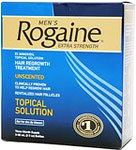 I think either 2 or 5% minoxidil is relatively safe to use, as it has been used to treat hair loss since the 1980s. However, why are you using something without firmly knowing what you are treating? For those who follow this site on a regular basis, you can imagine what my next sentence would be…
 You’re referring to the post from last week —
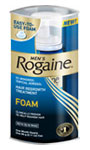 I have been using Rogaine foam for 2 months. I have also been on a lower sodium diet for about 3 months. I’m seeing a really nice improvement in my BP (I have been in the pre-hypertensive range). The question, I know monixidil in pill form is a high BP medication, but can topical Rogaine foam also contribute to a lowering of BP? Or should I just chalk it all up to lowering my sodium intake?

 Pills have fillers and the drug companies determine how to make it and what type of fillers there are. These fillers are called excipients (see