
What You Need to Know About Forehead Reduction and Hairline Lowering Surgeries
There are two types of procedures for lowering a hairline. One is a surgical excision of the upper forehead, followed by the downward advancement of the hairline up to an inch from where it was prior to the surgery. To accomplish this, the entire scalp from the frontal hairline to the very back of the crown is lifted up and pulled forward. When this is done by an experienced surgeon, the hairline can often be advanced about 2/3rds – 1 inch, if there is enough looseness when this lifting process is done. This procedure is often completed in one surgical session; however, it may not address receded corners of the hairline if the corner recession is significant. A great advantage of this surgical approach is the immediate impact of the procedure on hairline location, with healing usually complete in a week or so. Sometimes, this procedure produces a scar in front of the hairline, and if this is the case, a hair transplant in front of the hairline can address the scar. If there is corner hair loss, or if you are a male, a hair transplant lowering surgery is better, because the risk of recession in men with genetic balding is very high. A recession will always reveal the scar from a hairline advancement surgery. The only disadvantage to the transplant is that it takes 6-8 months to fully grow out. For men, a hair transplant is a better procedure because the risk of hair loss is high, and hairline recession will show the scar from a hairline advancement surgery.

The second type of hairline lowering procedure is done through hair transplantation. The number of sessions varies by the thickness of the hair. For women with other than fine hair, they might do this in a single session. With fine hair, it often takes two sessions. The time to see the impact of a hairline lowering hair transplant procedure is 5-7 months after the surgery date, and if a second session is required, it will take another 5-7 month wait for full growth. See web references below for photos of this process on women we treated. When done properly, a transition zone is created that makes the frontal leading edge of the hairline soft – what I call a no-hairline hairline. See here: https://newhair.com/female-hairline-lowering/


2018-05-22 10:05:17What You Need to Know About Forehead Reduction and Hairline Lowering Surgeries

Need an inexpensive hair transplant, advice?

I have about £2 to 3000 to spend and I thought it might be worth investing in a new head of hair. I’m 27 and rapidly losing hair. I’m comfortable with a shaved head but I actually would like the option of growing it out. Are there any clinics or websites that people recommend? I know going to Turkey is much cheaper but will that mean compromising on quality? Will I be able to shave my head in the interim period where my hair is going to be growing out? I actually applied to qunomedical but I was put off a bit with how much they whatsapped and called. I felt they were trying to pressure me when I just wanted the time to think about it as it’s quite a substantial investment.

I just met with one of my patients who had a cheep hair transplant done 10 years ago and now is fully fixed and done. For a few years he hid with a hat on his head, ashamed about his appearance after getting a very inexpensive hair transplant at a clinic he found. He spend more money fixing it by a long shot than if he ever did it right the first time, but he was lucky because they didn’t destroy his donor area as many of the cheep Turkey clinics do. Be smart about a hair transplant. Would you try to find a cheep heart transplant surgeon when you have one ‘crack at the apple’?


2020-11-23 11:24:58Need an inexpensive hair transplant, advice?

Need Advice on How to Choose a Surgeon?

I was thinking of getting a FUE hair transplant. I was hoping those that have been through it could give some advice on the following. Thanks for your help! How do you know/verify that the specialist delivered on the number of grafts that he charged you for?

How many hair follicles should be in a graft? What is an optimal number of hair transplant procedures done by the specialist? Some I called said they’ve done 50. What is a good baseline?

Does it matter if the specialist is board certified plastic surgeon?

I have spelled it out in great detail in two posts here: https://baldingblog.com/before-selecting-a-hair-transplant-doctor-do-your-homework/ just follow the link


2020-05-18 11:43:36Need Advice on How to Choose a Surgeon?

Necrosis from a poor hair transplant technique and treatment that works

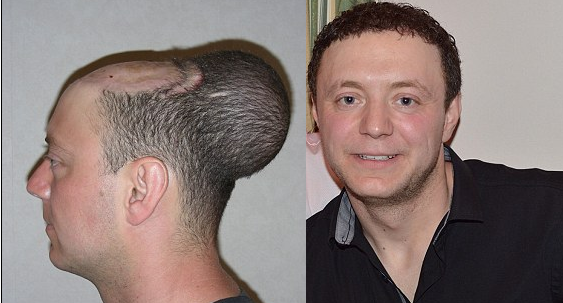
In the previous post, I showed a patient with necrosis of the scalp created by a surgeon who placed too many hair grafts too close into the scalp. Here is a similar patient with a scar, that I found on the internet, which shows the best treatment for this and the final results after the balloon expansion was completed. This is not an inexpensive process. The patients I had wore a hat to cover the abnormal appearance and went undetected.

before and after balloon

Necrosis of the scalp from hair transplant (photo)

These areas of necrosis for some technical problem induced by the surgeon usually heal with a large scar as shown here (before with necrosis on left, after healing on the right).


2020-07-16 08:29:19Necrosis of the scalp from hair transplant (photo)

Necrosis of recipient area in Turkey patients (photos)

Here are two photos which show two different patients who developed necrosis of the recipient area. These patients had their surgery in Turkey and will have to get wound care where they live. The area of necrosis will not grow hair. My clinic has performed over 16,000 hair transplant over 30 years with many doctors. We have never had a case of recipient area necrosis. I believe that these men had errors in their anesthetics that caused the problem. Turkey is no bargain when you don’t get a competent doctor doing your surgery. There are some very good doctors in Turkey and I doubt that the good doctors in Turkey get this complication.


2021-08-21 07:13:38Necrosis of recipient area in Turkey patients (photos)

Necrosis from Transplant in Turkey (photo)

This is a case of necrosis. I don’t understand why it keeps happening in Turkey. In my 33 years in practice, as the first surgeon to do 5000 grafts and as the pioneer of FUE, I have never seen this complication. These three pictures show the progression of the necrosis over time and the final scarring that resulted. I see other areas where there is a suggestion of further compromise. These scars will not grow the transplanted hair. Another hair transplant by a competent surgeon may fix this problem.


Necrosis from Hair Transplant (photos)

Here are two pictures, one on the left showing the area where the skin died (necrosis) and the second photos showing the results after it healed many months later. A huge scar remained without hair. It is possible that this can be re-transplanted but better and more careful planning is critical.


2020-09-08 09:55:59Necrosis from Hair Transplant (photos)

Necrosis of Donor Area with Consequent Scarring (Photos)

This patient clearly had FUEs grafts placed too close together which resulted in a loss of blood supply to the donor area near the ear. After it healed, there was a scar clearly present where the necrosis was seen postoperatively.

\


2018-11-14 07:45:05Necrosis of Donor Area with Consequent Scarring (Photos)